
Technology Adoption and Seniors: Enhancing Connection, Safety, and Independence
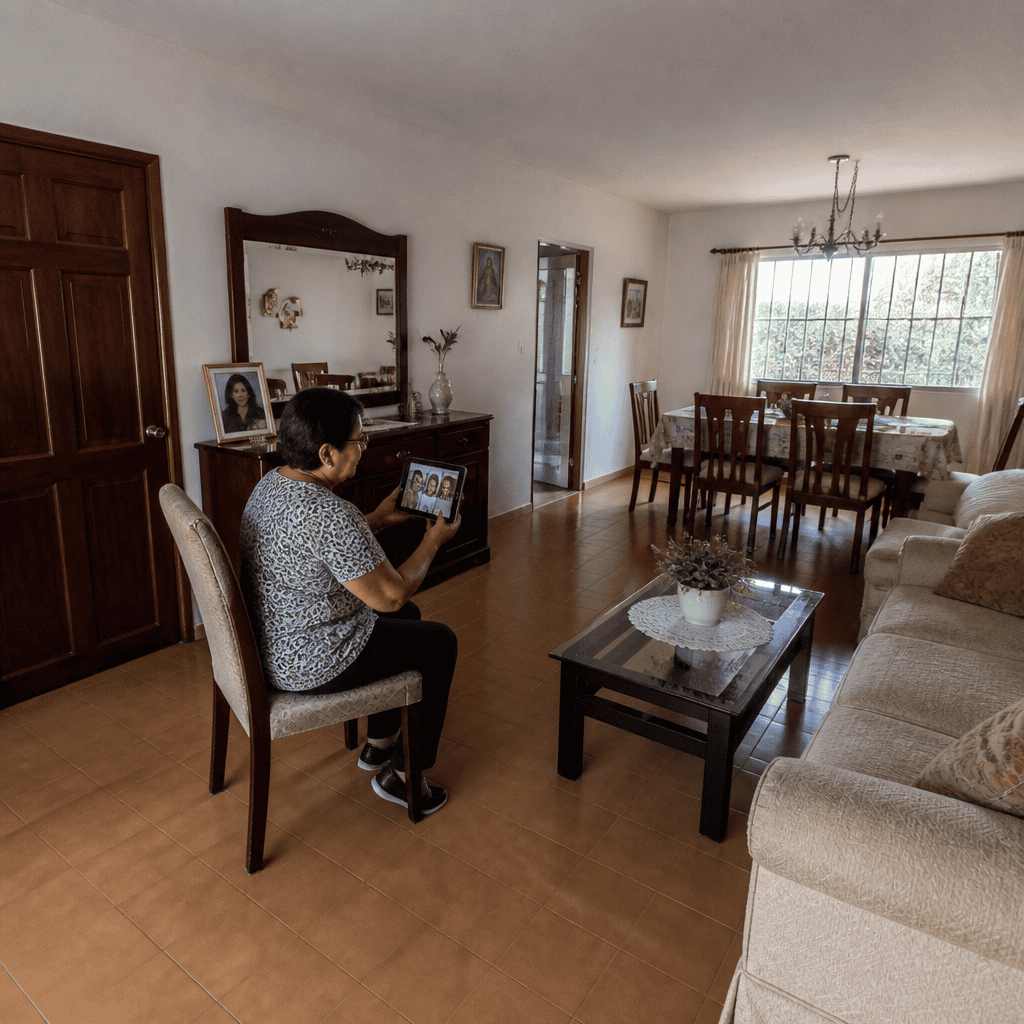
Seniors, typically defined as individuals aged 65 and older, are increasingly engaging with technology to maintain social ties, ensure personal safety, and support independent living. According to Pew Research Center (2021), 75% of adults aged 65+ use the internet, a significant rise from just 14% in 2000, illustrating a growing trend towards digital inclusion. This expansion of technology use among seniors helps bridge the generational digital divide and addresses critical needs: staying connected to family and friends, managing health and emergencies, and facilitating daily tasks without reliance on others. This article explores how seniors utilize various technologies—ranging from communication platforms to health monitoring devices—to promote connectivity, safety, and autonomy in their daily lives.
Connectivity Enhancements and Senior Technology Use
Connectivity for seniors refers to the use of communication technologies that enable social interaction, reduce isolation, and foster community engagement. Dr. John Cacioppo, a renowned psychologist, defines social connectivity as “the relational ties that bind people to one another.” In the context of seniors, this means employing tools like smartphones, video calls, social media, and messaging apps that facilitate communication.
Key characteristics of senior connectivity include accessibility, user-friendliness, and affordability. The National Institute on Aging reports that video-calling platforms like Zoom and FaceTime have become primary channels for seniors to maintain familial relationships, particularly highlighted during the COVID-19 pandemic when physical distancing measures amplified the risk of social isolation. Hyponyms of connectivity tools include:
- Smartphones and tablets with simplified interfaces
- Social networking sites tailored to older adults
- Online communities and forums
- Assistive communication devices
These tools collectively support social well-being, proving instrumental in combatting loneliness—a risk factor linked to adverse health outcomes among seniors.
Video Communication Platforms
Video communication platforms such as Zoom, Skype, and FaceTime allow seniors to engage in face-to-face interactions virtually. These platforms are defined by their ability to transmit real-time video and audio over the internet. According to a 2022 AARP report, 55% of seniors surveyed increased their use of video calls to connect with loved ones, enhancing emotional well-being and reducing feelings of isolation.
Social Media and Online Communities
Social media sites like Facebook and specialized platforms like SeniorChat provide venues for seniors to engage in community discourse and share experiences. These platforms offer interactive features such as groups, events, and messaging, allowing seniors to maintain active social lives online. Pew Research Center notes that 45% of seniors actively use at least one social media platform, a trend that continues to rise.
Safety Technologies and Senior Well-being
Safety in the context of senior technology use encompasses devices and systems designed to prevent accidents, enable emergency assistance, and monitor health conditions. Dr. Emily Smith of the Gerontology Institute defines safety technologies as “tools that enhance personal security and health monitoring to mitigate risks of injury or medical emergencies.” With falls being the leading cause of injury among older adults according to the CDC, technology-supported safety interventions are increasingly vital.
Key safety technology types include:
- Personal Emergency Response Systems (PERS)
- Wearable health monitors
- Smart home sensors and automation
- Medication management devices
Personal Emergency Response Systems (PERS)
PERS are wearable devices that seniors can activate to summon emergency help. These systems typically include fall detection sensors and 24/7 monitoring services. The National Council on Aging highlights that PERS usage reduces emergency response times and improves health outcomes after accidents.
Wearable Health Monitors
Wearable devices like smartwatches and fitness trackers monitor vital signs such as heart rate, sleep patterns, and physical activity. These monitors often include alerts for abnormal readings, assisting in early detection of health concerns. According to a 2023 study by the Journal of Medical Internet Research, 60% of seniors using wearables reported feeling more secure about managing chronic conditions.
Independence Support through Senior-focused Technologies
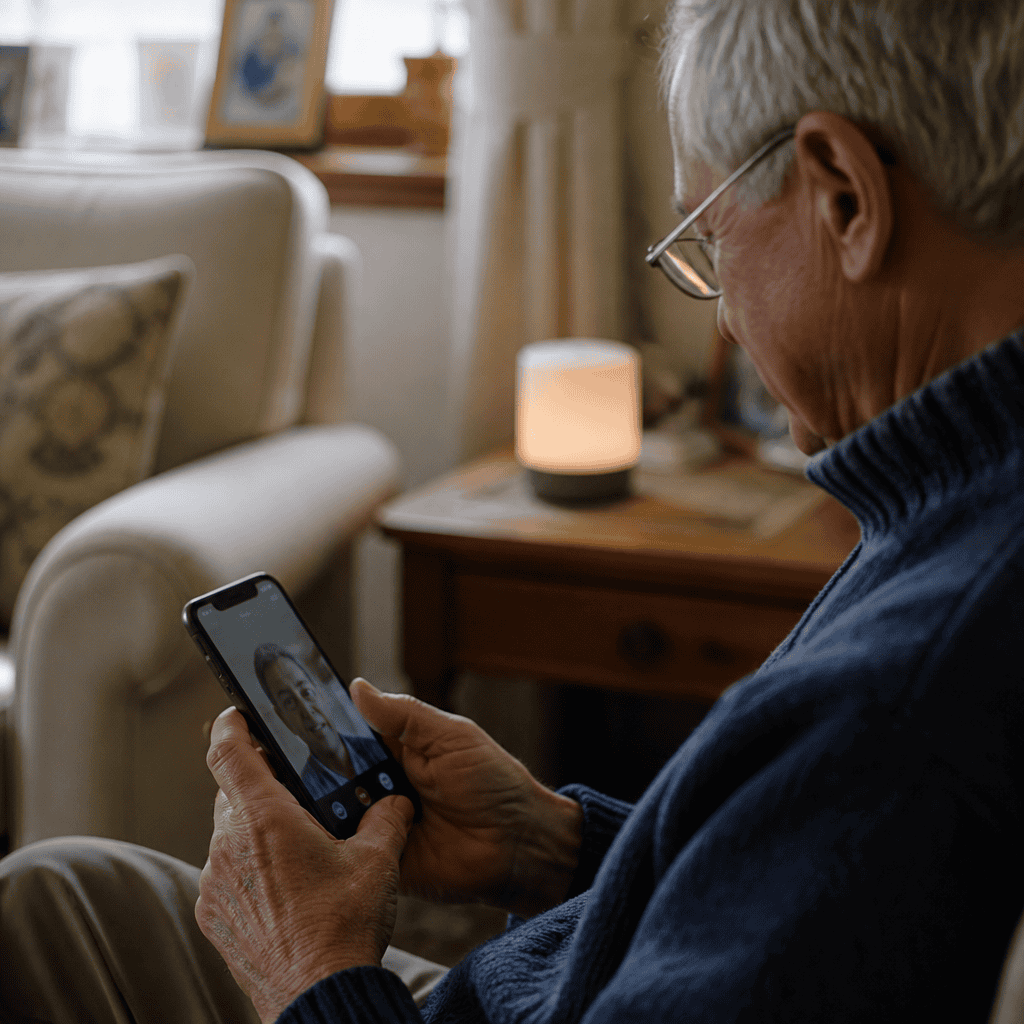
Independence in seniors refers to the capacity to live and perform necessary daily functions without undue reliance on others. Technologies supporting independence are tools and systems designed to aid mobility, cognitive function, and task management. The World Health Organization defines independent living technologies as those that “enable people to lead self-directed lives while maintaining autonomy.” These include smart home devices, medication reminders, and transportation apps.
Hyponyms in this category include:
- Smart home automation systems (lighting, thermostats, security)
- Digital health management tools
- Mobility aids integrated with technology
- Voice-activated assistants like Amazon Alexa and Google Assistant
Smart Home Automation
Smart home systems facilitate independent living by automating routine functions such as lighting, temperature control, and security. Devices controlled by voice or smartphone apps remove physical and cognitive barriers for seniors. The AARP Innovation Labs reported a 30% increase in smart home device adoption among seniors between 2019 and 2023.
Voice-Activated Assistants
Voice-activated assistants provide hands-free interaction with technology, allowing seniors to set reminders, make calls, and control smart devices by speaking. These assistants reduce dependence on manual operation, particularly benefiting those with limited dexterity or memory challenges. Research published in the Gerontology journal (2022) found that 70% of seniors using voice assistants experienced improved daily task management and reduced cognitive load.
Integration of Technology in Senior Lives: Case Studies and Real-World Applications
Real-world examples underscore the effectiveness of technology in enhancing seniors’ lives. For instance, the “Connected Seniors” project in Canada combined tablets, internet training, and health monitoring to improve social engagement and health outcomes among participants aged 70 and above. Within a year, participants showed a 40% reduction in reported loneliness and a 20% improvement in medication adherence.
Similarly, various assisted living facilities incorporate technology like PERS and smart home systems to empower residents. These implementations not only improve safety and independence but also reduce caregiver burden and healthcare costs.
Conclusion: Embracing Technology for Senior Empowerment
Technology adoption among seniors—encompassing connectivity tools, safety devices, and independence-supporting systems—plays a cardinal role in improving quality of life. As highlighted throughout this article, seniors who engage with these technologies report stronger social networks, enhanced safety, and greater autonomy. Given demographic trends projecting that by 2030, one in five Americans will be 65 or older (U.S. Census Bureau), promoting digital literacy and access for seniors becomes a public health imperative.
Further reading and action could focus on expanding affordable access to technology, offering tailored education programs, and designing inclusive devices that address seniors’ unique needs. Embracing these strategies will ensure seniors remain connected, safe, and independent members of society well into the future.