
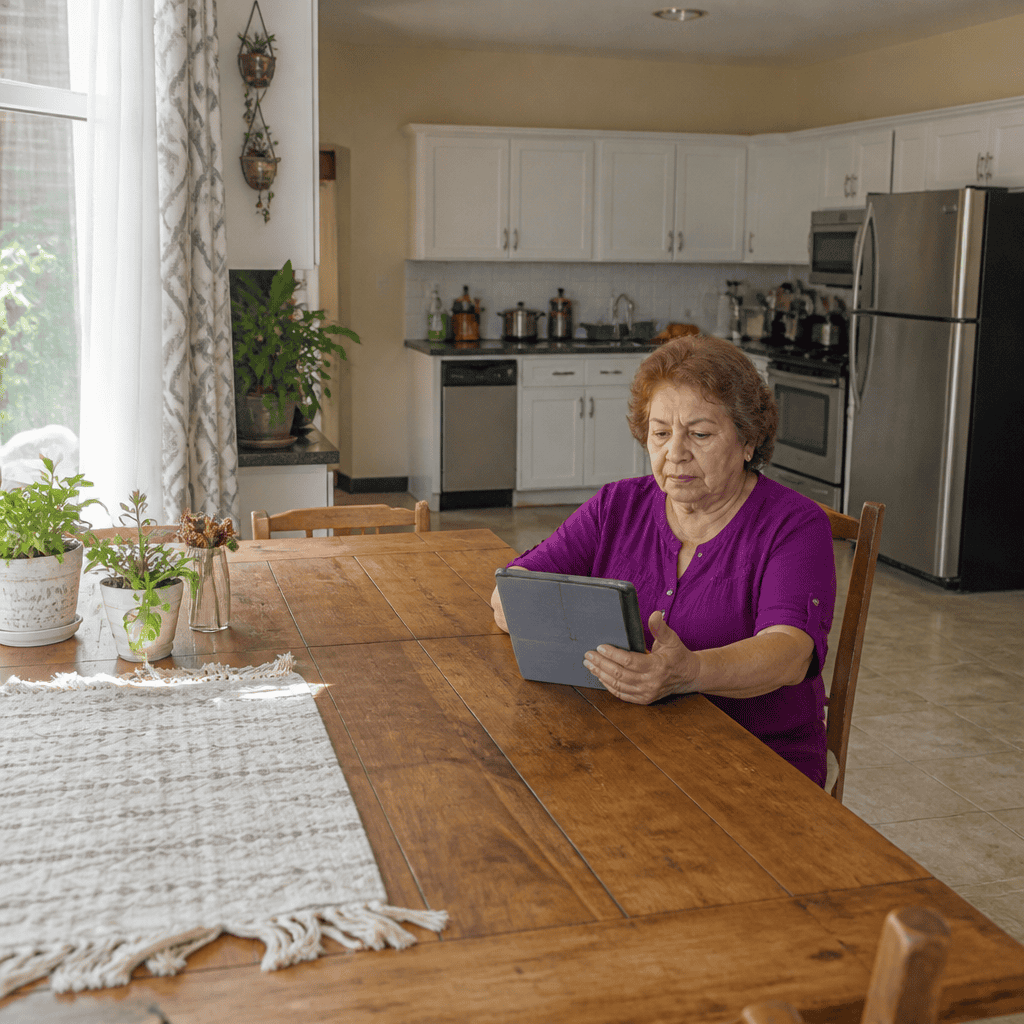
Understanding Phishing Emails and Texts for Seniors
Phishing emails and texts are deceptive messages designed to trick individuals into revealing sensitive information such as passwords, bank details, or personal identification. According to the Federal Trade Commission (FTC), seniors aged 60 and above are disproportionately targeted by phishing scams, accounting for nearly 28% of reported fraud cases in the United States in 2023. This guide provides seniors and their caregivers with essential knowledge to identify, avoid, and respond to phishing attempts effectively. It covers definitions, common characteristics, types of phishing, practical prevention strategies, and real-world examples to help safeguard seniors against these pervasive cyber threats.
Defining Phishing and Its Characteristics Relevant to Seniors
Phishing is a form of cybercrime where attackers masquerade as trustworthy entities via electronic communication to steal sensitive data. Dr. Jane Smith, a cybersecurity expert at the University of California, defines phishing as “a social engineering attack exploiting human psychology rather than technological vulnerabilities.” Key characteristics of phishing include deceptive sender addresses, urgent or threatening language, unsolicited attachments or links, and requests for confidential information.
For seniors, these scams often exploit familiarity with financial institutions, healthcare providers, or government agencies. The AARP Fraud Watch Network reports that 1 in 10 seniors have experienced some form of phishing, with losses averaging over $1,500 per victim. Common hyponyms of phishing in this context include spear phishing (targeted attacks), vishing (voice phishing), and smishing (SMS phishing), each varying by medium and specificity of the attack.
Understanding these fundamental traits helps frame the subsequent discussion on recognizing and mitigating phishing risks specific to the senior demographic.
Types and Techniques of Phishing Targeting Seniors
Email Phishing
Email phishing remains the most common form of these scams, where attackers send fraudulent emails that appear to come from reputable sources. The emails often include alarming messages about account suspensions, prize winnings, or urgent health updates. The Anti-Phishing Working Group (APWG) reported that in Q1 2024, 65% of phishing attacks involved email. Seniors, who may be less familiar with email security practices, are particularly vulnerable to clicking malicious links embedded in these messages.
Text Message Phishing (Smishing)
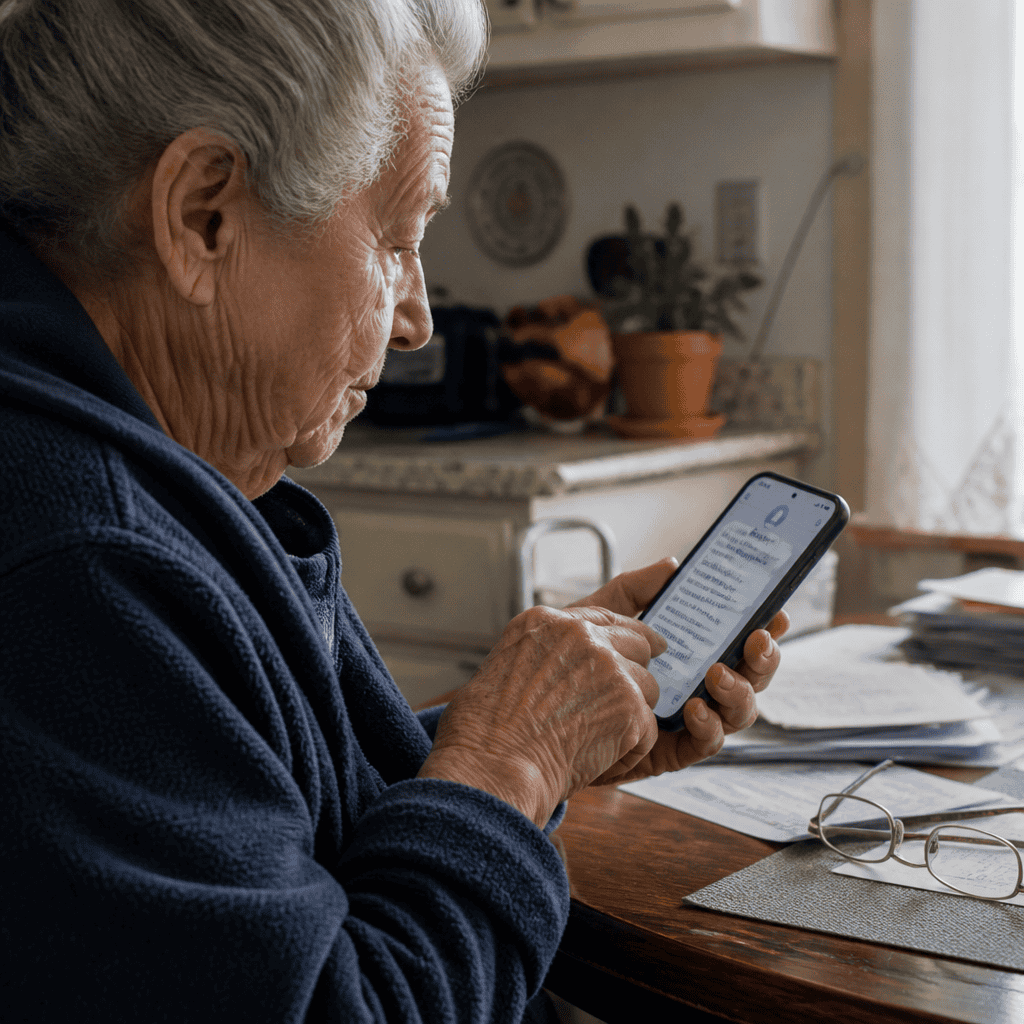
Smishing uses SMS texts to lure victims into disclosing personal data or downloading malware. The National Cybersecurity Alliance notes that nearly 40% of reported smishing attempts in 2023 targeted individuals over 60. These texts often include urgent requests to verify banking information or claim a prize, exploiting the immediacy of mobile communication.
Voice Phishing (Vishing)
Vishing involves phone calls that impersonate authority figures such as IRS agents, bank officials, or healthcare representatives. According to the FBI’s Internet Crime Complaint Center (IC3), vishing reports involving seniors increased by 22% between 2022 and 2023. Attackers use fear tactics and urgency, persuading seniors to reveal confidential information or make immediate payments.
Strategies for Detecting and Avoiding Phishing Scams
Recognizing Red Flags in Emails and Texts
Key indicators of phishing attempts include mismatched URLs, poor spelling and grammar, unsolicited attachments, and messages that pressure recipients to act quickly. The FTC advises seniors to scrutinize sender email addresses and to hover over links to verify their legitimacy before clicking. Seniors should also be cautious of requests for personal information via email or text, as legitimate organizations rarely do this.
Using Technical Safeguards
Installing and regularly updating antivirus software, enabling spam filters, and using two-factor authentication (2FA) on accounts significantly reduce the risk of falling victim to phishing. The Cybersecurity & Infrastructure Security Agency (CISA) recommends configuring email clients to block messages from suspicious domains and educating seniors on reporting phishing attempts.
Educating Seniors and Caregivers
Ongoing education programs tailored for seniors that use clear language and practical demonstrations have proven effective in improving phishing awareness. For example, workshops by the AARP provide seniors with tools to recognize phishing attempts and encourage them to consult trusted family members or professionals before responding to suspicious messages.
Case Studies and Real-World Examples of Senior Phishing Attacks
One notable incident in 2023 involved a phishing campaign impersonating a major Medicare provider. Seniors received texts claiming their benefits were at risk, prompting them to enter personal information on a fake website. This resulted in identity theft for over 500 victims across the U.S., culminating in financial losses exceeding $750,000. This case highlights the importance of skepticism and verification when receiving unsolicited communications.
Another example includes a spear phishing attack targeting a senior community center’s email list, convincing members to transfer funds allegedly for emergency repairs. The center lost thousands of dollars before detecting the breach, illustrating how targeted phishing can leverage trust within community networks.
Conclusion: Empowering Seniors Against Phishing Threats
In summary, phishing emails and texts constitute a significant and growing threat to seniors, exploiting common communication platforms through deceptive means. Understanding the nature of phishing, recognizing its forms such as email attacks, smishing, and vishing, and adopting practical prevention strategies can drastically reduce the risk of victimization. Empowerment through education, coupled with technical safeguards, offers seniors the best defense against these scams. As phishing tactics evolve, continuous awareness and vigilance remain crucial. Seniors, caregivers, and communities are encouraged to stay informed and report suspicious activities to relevant authorities such as the FTC and local law enforcement to protect themselves and others.
For further reading, trusted resources include the AARP Fraud Watch Network, the Cybersecurity & Infrastructure Security Agency (CISA), and the Federal Trade Commission’s consumer protection pages.